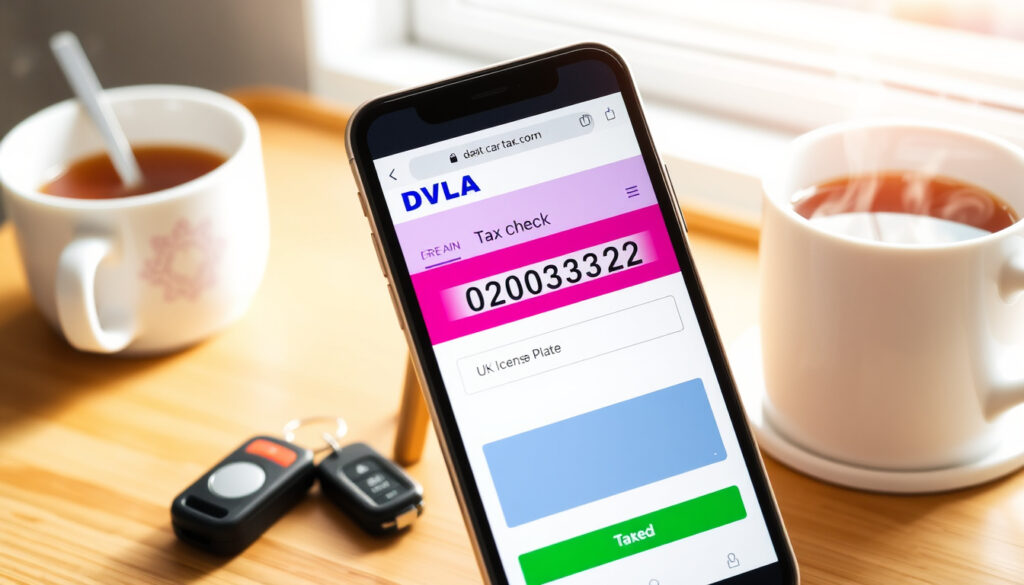
Car Tax Checker UK – Free DVLA Tax Status Check Online 2025
Knowing whether a vehicle is correctly taxed is a legal requirement for any driver in the UK. A car tax checker provides a quick way to confirm the status of a vehicle, its expiry date, and whether it has been declared off the road. With rising penalty costs and changes to vehicle tax rules in 2025, understanding how these checks work is more important than ever.
The official term for what is commonly called “road tax” is Vehicle Excise Duty (VED). The system is managed by the DVLA, and the simplest way to check a vehicle’s tax status is by using its registration number. Whether you are a current owner, a potential buyer, or someone who simply wants to avoid a fine, a few seconds online can give you the facts you need.
How to Check Your Car Tax Online (Using the Official DVLA Tool)
The most reliable method is to use the official GOV.UK service. You only need the vehicle registration number to check the current tax status and whether a SORN (Statutory Off Road Notification) is in place. The service pulls data directly from the DVLA database and provides an instant result.
Car Tax Checker UK – What You Need to Know
- Official Checker (GOV.UK): Free, reliable, requires registration number or V5C reference for certain checks.
- Combined Tax & MOT: Third-party services like TotalCarCheck offer both checks in one go.
- Current Tax Rates: Based on CO2, fuel type, and vehicle price; updated annually in April.
- Penalties & SORN: Driving without tax can lead to fines up to £1,000 plus back duty; SORN is required for off-road vehicles.
Key Insights for 2025
- Users prefer a one-step solution: check tax, MOT, and SORN simultaneously.
- Third-party checkers are faster but may charge for extra details; GOV.UK is free and authoritative.
- Car tax rates vary widely – a band A car may pay £0, while high-emission cars cost over £2,000 per year.
- Many drivers are unaware of automatic renewal options or direct debit setup.
- SORN is often misunderstood; it must be declared if the vehicle is off-road, not just untaxed.
| Category | Details |
|---|---|
| Official site | www.gov.uk/check-vehicle-tax |
| Data source | DVLA database (real-time) |
| Cost | Free via official checker; third-party tools may charge for full reports |
| What you need | Vehicle registration number (V5C reference for some checks) |
| Tax rates | Updated every April; bands A–M (plus premium rate for cars over £40k) |
| SORN | Statutory Off Road Notification – required if vehicle not used on public roads |
| Penalty for no tax | Up to £1,000 fine + back duty; DVLA can clamp or impound vehicle |
How Much Is My Car Tax? Understanding Current Rates
The amount you pay depends on the vehicle’s CO2 emissions, fuel type, and list price. Rates are announced each year and typically take effect on 1 April. For cars first registered after 1 April 2017, a premium supplement applies if the list price exceeds £40,000.
In 2025, the cheapest annual road tax was reported to be £20 for some electric vehicles and cars emitting no more than 100 g/km of CO2, first registered between 1 March 2001 and 31 March 2017. The long-standing EV exemption ended in April 2025, meaning most electric cars now pay VED. Vehicles older than 40 years are exempt from paying road tax.
Tax bands are announced in the Budget (usually March) and come into force on 1 April. Always check the official vehicle tax rate tables for the most current figures.
How to Check Tax and MOT Together (Free Tools)
Several services allow you to check tax and MOT status at the same time using just the registration number. The official MOT history service on GOV.UK is free, while third-party platforms like TotalCarCheck combine tax data, MOT results, and sometimes even SORN status in one report.
These combined checks are particularly useful when buying a used car. They give you a snapshot of whether the vehicle is legally roadworthy and taxed without visiting multiple websites. Some third-party tools offer a free basic check but charge for a full DVLA report, so it pays to know what you are getting.
What details do I need for a combined check?
A standard combined check requires only the vehicle registration number. No V5C log book is needed for the status lookup, though you may need the document reference if you proceed to tax the vehicle after the check.
How to Pay Road Tax Online (Renewal Guide)
You can tax a vehicle online, by phone, or at a Post Office. The quickest route is through the official GOV.UK vehicle tax service. To complete the transaction, you will need one of the following: an 11-digit reference from the V5C log book, a reference from a V11 reminder letter, or a new keeper slip if you have just bought the vehicle.
A V11 reminder is typically sent on the 5th day of the month before the tax is due to expire. You can set up a direct debit to renew automatically, which is the safest way to avoid a lapse. Monthly and yearly direct debit options have been available since 2014.
When do I need to renew car tax?
Tax is due on the anniversary of the first registration or the last renewal. You can choose to pay for 6 or 12 months at a time. If you pay by direct debit, the system handles the renewal automatically, though you must ensure your MOT remains valid throughout the tax period.
When taxing a vehicle, the DVLA may require evidence that a valid MOT is in place at the start of the tax. If the MOT has expired, you cannot tax the vehicle until it passes a new test. Some services show MOT information alongside tax status to help you avoid this issue.
What Is SORN and How to Check if Your Vehicle Is SORN
SORN stands for Statutory Off Road Notification. It is a legal declaration that a vehicle is not being used on public roads and therefore does not need to be taxed. You can check whether a vehicle is SORN through the official GOV.UK tool or a third-party service.
If you stop using a vehicle, you must declare SORN online or by post. You cannot drive a SORN vehicle on public roads, with very narrow exceptions such as driving to a pre-booked MOT test. When you make a SORN, you receive a refund for any remaining full months of tax. Partial months are not refunded.
SORN must be renewed annually if the vehicle remains off the road. If you later want to use the vehicle again, you must tax it before driving, which automatically cancels the SORN.
What Happens If You Drive Without Car Tax?
Driving an untaxed vehicle on public roads carries significant financial penalties. The DVLA uses automatic number plate recognition (ANPR) cameras to enforce the rules, and a fine can arrive without warning.
One source states that a registered keeper may receive an £80 fine, reduced to £40 if paid within 33 days. Another penalty structure includes an out-of-court settlement of £30 plus 1.5 times the outstanding tax. If the case goes to court, the maximum fine is £1,000 or five times the tax due, whichever is greater. In some cases, the DVLA can clamp or impound the vehicle.
Car Tax Renewal Timeline & Key Dates
- Annual renewal: Tax due on anniversary of first registration or last renewal.
- Six-month option: Available but costs slightly more than paying annually.
- Direct debit: Introduced in 2014; easiest way to avoid a lapse in tax.
- Rate changes: New rates announced in Budget (usually March), effective 1 April.
- SORN renewal: Required annually if the vehicle remains off-road.
- V11 reminder sent: Typically on the 5th of the month before renewal is due.
Official vs. Third-Party Checkers – What to Trust
| Established Information | Information That Remains Unclear |
|---|---|
| The GOV.UK checker provides definitive tax status and expiry date. | Third-party sites may cache data or update less frequently. |
| The DVLA database is the single source of truth for all UK vehicles. | Some commercial checkers charge for a full DVLA report – always verify at .gov.uk. |
| SORN status is legally binding when declared online or by post. | MOT history is available on GOV.UK; third-party tools may show incomplete history. |
Why Car Tax Checking Matters
Checking car tax is not just an administrative task – it is a legal obligation. All vehicles used on public roads must be taxed or have a valid SORN in place. The DVLA uses ANPR cameras to detect untaxed vehicles automatically.
For anyone buying a used car, a tax check is essential. It helps uncover whether the seller owes back duty or if the vehicle has been declared off-road. It also reveals the current tax band, which can affect running costs. Environmental incentives mean that low-emission and zero-emission vehicles may pay significantly less, or nothing, depending on their registration date.
Authoritative Sources for Car Tax Information
“Check if a vehicle is taxed – official tool.” – GOV.UK
“You can check the current tax rates for your vehicle there.” – GOV.UK
“If you make a SORN, you get a refund for any remaining tax, but only for full months; partial months are not refunded.” – CarTaxCheck
After You Check Your Car Tax
Once you know the tax status of a vehicle, the next steps depend on the result. If tax is due soon, setting up a direct debit is the simplest way to ensure continuous cover. If the vehicle is untaxed and not in use, declare SORN immediately to stop penalties from accumulating. For those buying a used car, also check the MOT history and any outstanding finance. If you disagree with the tax band assigned to your vehicle, contact the DVLA with your V5C log book. For related costs, see the How Much Is MOT – Complete Pricing Guide for 2025 and find the right Engine Oil for My Car – UK Guide by Registration.
Frequently Asked Questions About Car Tax Checker UK
Is there a free car tax checker?
Yes, the official GOV.UK service is free. Many third-party sites also offer free basic checks.
Can I check car tax without the V5C?
Yes, you only need the vehicle registration number for a basic status check. Full details (like reference number) require the V5C.
How often is car tax due?
Every 6 or 12 months. You can also pay monthly by direct debit.
What does ‘tax exempt’ mean?
Some historic vehicles (over 40 years old) and certain low-emission vehicles are exempt from paying vehicle tax.
How long does it take for a tax check to update?
DVLA database updates in real-time. After paying, the status changes immediately.
Can I check tax and MOT together?
Yes, sites like TotalCarCheck offer combined checks. The official MOT history is also free on GOV.UK.
What is the penalty for no car tax?
Fines can reach up to £1,000 plus back duty. The DVLA may also clamp or impound the vehicle.
How do I declare SORN?
You can declare SORN online at GOV.UK or by post. It is free and cancels any remaining tax refund.
More related posts
 Harry Potter Lego Sets – Best 2024 Picks Guide
 Mawaan Rizwan – Bafta-Winning Comedian Behind BBC’s Juice
 Cold Pressed Dog Food – Complete UK Guide to Benefits and Brands
 Average Penis Size UK – Clinical Data and What It Actually Means
 Robbie Williams’ Wife – Age Children Career and Health Update
 Summer Houses for Sale – 2025 UK Buyers Guide and Best Picks
 Grand National 2025 Time – Start, Winner, Results
 Roofing Supplies Near Me – Local Prices and Supplier Guide
