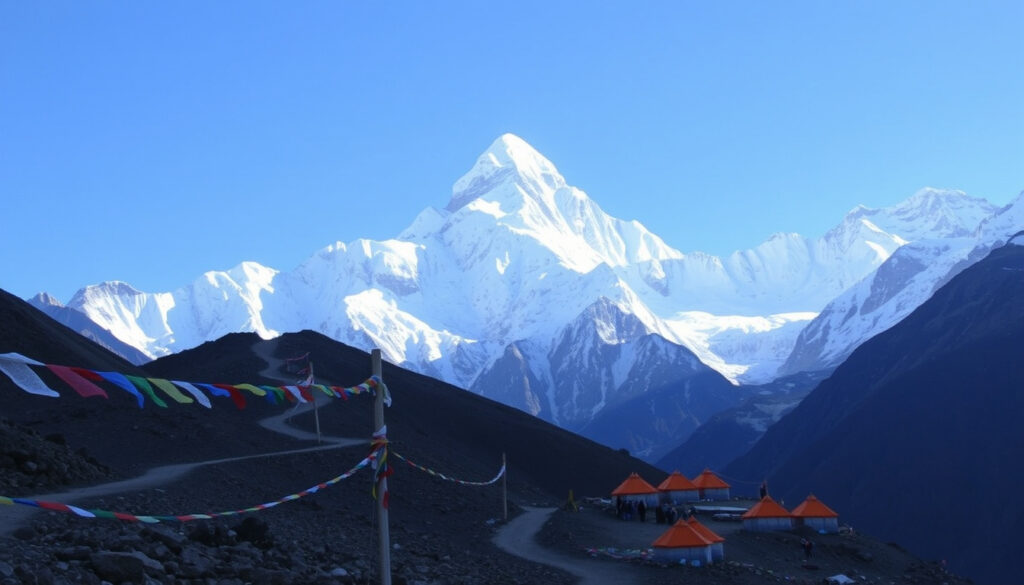
Everest Base Camp Trek 2025 – Cost, Days, Distance and Tips
The Everest Base Camp trek is one of the most sought-after adventures on the planet, drawing thousands of hikers each year to the foot of the world’s highest peak. But planning this journey involves navigating a maze of costs, permits, and logistical choices. This guide breaks down the essential facts—distance, duration, altitude, difficulty, and budget—based on current research to help you prepare for the trek in 2025.
For most travelers, the trek is a 12- to 14-day round trip covering roughly 130 kilometers. Altitude is the primary challenge, not technical climbing. Costs vary widely depending on service level, from budget self-arranged trips to luxury packages.
How Much Does an Everest Base Camp Trek Cost?
Cost is the first question for most trekkers, and the answer depends heavily on the type of trip. A standard guided package typically ranges from US$1,200 to US$1,800, according to multiple trekking operators. Budget packages, which may exclude flights or porter service, start around US$1,400 to US$2,200. Luxury packages can reach US$5,000 or more, with some all-inclusive trips priced above US$4,295.
Independent trekkers who arrange guides and permits on the ground in Kathmandu can sometimes manage a trip for US$1,000 to US$1,500, though this requires more effort and carries higher uncertainty regarding availability and safety.
A typical guided package includes guide fees (US$30–35 per day), porter fees (US$25–30 per day), teahouse accommodation (US$6–15 per night), meals, and the Kathmandu–Lukla round-trip flight (US$350–450). Permit fees add roughly US$50 total per person.
Everest Base Camp Trek Packages
Packages vary by inclusion and comfort. Standard guided packages cover guide, porter, meals, and teahouses. Budget packages may exclude internal flights. Luxury options offer better accommodation, additional staff, and higher-end services. Prices for 2026/27 packages range from US$2,099 to US$4,500 for fuller guided trips.
What Is Included in a Typical Everest Base Camp Trip?
Across operators, common inclusions are a licensed guide, a porter (if chosen), all meals on the trail, teahouse accommodation, required permits, and the Kathmandu–Lukla round-trip flight. Tipping and personal gear are generally not included.
Booking with a local agency in Kathmandu can be 30–40% cheaper than using an international tour operator. This is a common strategy for experienced trekkers looking to reduce costs.
How Many Days Does the Everest Base Camp Trek Take?
The standard itinerary requires 12 to 14 days, though some operators list 13 to 15 days depending on acclimatization needs and route variations. A 14-day plan is the most common structure found across multiple sources. Intrepid Travel and other operators follow this model closely.
What Is the Distance of the Everest Base Camp Trek?
The round trip from Lukla to Everest Base Camp is approximately 130 km (80 miles). One way from Lukla to base camp is about 65 km. This distance does not include side trips like Kala Patthar, which adds a few kilometers.
Typical 14-Day Everest Base Camp Itinerary
- Day 1: Arrival in Kathmandu, gear check, meet guide.
- Day 2: Fly to Lukla and trek to Phakding.
- Day 3: Trek to Namche Bazaar.
- Day 4: Acclimatization day / short hike around Namche.
- Day 5: Trek to Tengboche.
- Day 6: Trek to Dingboche.
- Day 7: Acclimatization day in Dingboche.
- Day 8: Trek to Lobuche.
- Day 9: Trek to Gorak Shep and Everest Base Camp.
- Day 10: Kala Patthar sunrise, then descend.
- Days 11–14: Descend through lower villages and return to Lukla/Kathmandu.
Acclimatization Days
Acclimatization days are built into standard itineraries at Namche Bazaar (Day 4) and Dingboche (Day 7). Skipping these increases the risk of altitude sickness. Most sources emphasize that proper acclimatization can add 2–3 days to the total plan. Lonely Planet recommends not shortening this period.
What Is the Altitude of Everest Base Camp (South and North)?
The South Base Camp in Nepal sits at 5,364 m (17,598 ft). The North Base Camp in Tibet is lower, at 5,150 m (16,900 ft). Many itineraries also include a hike to Kala Patthar (5,545 m), a popular viewpoint above base camp. Wikipedia provides authoritative background on both base camps.
Is Altitude Sickness Common?
Altitude sickness is not guaranteed but is common. Symptoms can include headache, nausea, and shortness of breath. Proper acclimatization, hydration, and a slow ascent are the best preventive measures. Any symptoms require immediate descent. The US CDC provides detailed guidance on altitude illness.
When Is the Best Time to Trek to Everest Base Camp?
The two prime seasons are spring (March to May) and autumn (September to November). These months offer stable weather, clear skies, and moderate temperatures. October and November are especially popular for reliable conditions. Prices tend to be higher during these periods due to increased demand. The Nepal Tourism Board issues official advisories that trekkers should consult before planning.
What Permits Are Needed?
Two permits are consistently required: the Sagarmatha National Park entry permit and the Khumbu Pasang Lhamu Rural Municipality permit. One source mentions a TIMS card, but the two-permit system is the most consistently cited requirement across multiple operators. Fees total approximately US$50 per person, though exact amounts can vary. Official Sagarmatha National Park guidelines provide the exact fee structure.
How Do I Get to Lukla?
Most trekkers fly from Kathmandu to Lukla, which costs approximately US$350–450 round trip. The flight is short but weather-dependent, and delays are common, especially in spring and autumn. Guided packages typically include this flight.
How Difficult Is the Everest Base Camp Trek?
The trek is rated moderate to difficult / challenging. It is physically demanding due to altitude, long walking days (5–8 hours), and steep terrain. However, no technical climbing skills are required. Fitness, endurance, and altitude management are the main factors. Ian Taylor Trekking offers practical first-hand advice on the daily challenges.
Do I Need Previous Trekking Experience?
Previous trekking experience is not strictly required, but it helps. Beginners can complete the trek with proper training and preparation. Cardiovascular fitness and hiking with a loaded backpack for several months beforehand are strongly recommended.
What Gear and Training Are Recommended?
Key gear includes layered clothing, a warm sleeping bag, sturdy hiking boots, trekking poles, and a daypack (5–10 kg). Porters can carry main luggage, typically limited to 10–15 kg. Training should focus on endurance, leg strength, and carrying weight at altitude.
Travel insurance covering high-altitude trekking up to 6,000 m and helicopter evacuation is considered mandatory by most reputable operators. Without it, you may be denied service or face enormous medical costs.
Historical Development of Everest Base Camp Treks
- 1953: First successful Everest summit – base camp established by Hillary/Tenzing.
- 1970s: Base camp becomes a regular staging point for commercial expeditions.
- 2000s: Trekking to base camp becomes a popular independent adventure.
- 2014: Khumbu Icefall disaster – increased focus on safety and insurance.
- 2020: COVID-19 halts treks; base camp closed for most of the year.
- 2025: Record number of permits issued; costs continue to rise due to demand.
What Is Certain and What Remains Unclear About the Trek?
| Established Information | Information That Remains Unclear |
|---|---|
| The altitude of South Base Camp is approximately 5,364 m (17,598 ft) based on GPS surveys (2019). | The exact height can vary by a few meters depending on snow depth and method of measurement. |
| Most trekkers require at least 12 days to complete the return trek from Lukla. | Shorter itineraries exist (10–11 days) but increase risk of altitude sickness. |
| Permit fees are set annually and are publicly available. | Additional costs such as tipping, porters, and flights are variable and harder to predict. |
Why Trek to Everest Base Camp?
The Everest Base Camp trek is one of the most iconic treks in the world, offering views of the highest mountain on Earth. However, it requires significant planning, physical preparation, and a realistic budget. This guide synthesizes data from official sources, experienced trekkers, and travel agencies to provide a clear, actionable overview. Trekkers should verify current costs and permit fees before booking, as conditions change rapidly.
What Do Trusted Sources Say About the Trek?
Multiple sources agree on the core facts. Altitude, cost, and duration are the most important variables. Below are key quotes from authoritative references:
“The trek is physically demanding mainly because of altitude, long walking days, and steep terrain, but no technical climbing skills are required.”
— Best Heritage Tour (trekking guide)
“Fitness matters more than mountaineering skill; the trek is about endurance and altitude management.”
— Trek the Himalayas (operator)
How Should You Plan for the Everest Base Camp Trek?
Trekkers should monitor the Nepal Tourism Board website for any changes in permit fees or trail conditions. Consider booking in advance for peak seasons, as accommodations fill quickly. Prepare physically by starting cardiovascular training and hiking with a loaded backpack at least 3 months prior. Purchase comprehensive travel insurance that covers high-altitude trekking and helicopter evacuation. For broader travel advice, see Is It Safe to Travel to Cyprus – Full 2025 Travel Advice & Warnings and Manchester Airport Car Parking 2025 – Compare Prices, Pre-Book and Save.
Frequently Asked Questions
Can I do Everest Base Camp trek solo without a guide?
Solo trekking is permitted but strongly discouraged due to safety concerns. Many regions require a licensed guide since 2023.
Do I need to book a package or can I arrange everything in Kathmandu?
You can arrange permits, flights, and guides in Kathmandu, often at lower prices. However, pre-booking ensures availability.
What is the best month for Everest Base Camp?
October and November offer stable weather and clear skies. April and May are also good but more crowded.
Is altitude sickness guaranteed?
No, but it is common. Proper acclimatization and hydration reduce risk. Any symptoms require immediate descent.
How much weight can I expect to carry?
Most trekkers carry a daypack (5–10 kg); porters or yaks carry main luggage. Weight limits are typically 10–15 kg for porters.
More related posts
 Dana Delany – Biography, Net Worth and Career Highlights
 Olivia and Jackson MAFS – Still Together After 2022 Breakup?
 Meg Donnelly Movies and TV Shows – Complete Filmography Guide
 When Is Father’s Day in 2025 – Confirmed Date for US and UK
 How to Stop Snoring Immediately – 4 Proven Fixes That Work Tonight
 Portman Park Results Today – Latest Winners and Race Times
 Sports Direct Discount Code – Latest Verified Deals 2024
 Grand National Winner 2025 – Nick Rockett Results and Recap
