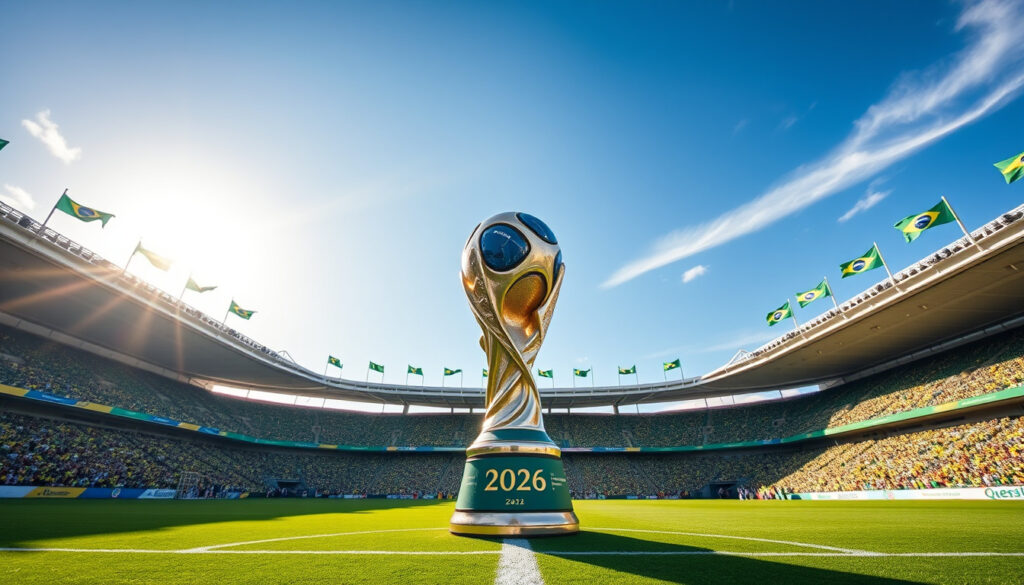
Brazil National Football Team – 2026 Squad, Players and History
The Brazil national football team, widely known as Seleção Brasileira, stands among the most storied and decorated sides in international football history. Currently ranked sixth in the world according to FIFA’s latest standings, Brazil remains a dominant force in South American competition and maintains ambitious expectations heading toward the 2026 World Cup.
Carlo Ancelotti took the helm as head coach in 2025, becoming the first foreign manager to lead Brazil at a major tournament. His appointment signaled a strategic shift, bringing European tactical expertise to a squad blending seasoned veterans with emerging talent. The team continues to compete under the banner of the Brazilian Football Confederation (CBF), governing body for football in the nation.
This profile examines the current squad composition, recent squad announcements, competitive standings, and the broader context surrounding Brazil’s pursuit of a sixth World Cup title.
Who Are the Current Brazil National Football Team Players?
The current Brazil national football team roster features players competing across Europe’s premier leagues, with particular representation from England’s Premier League, Spain’s La Liga, and Italy’s Serie A. The squad spans multiple age groups, combining experience with youthful energy.
The squad composition reflects Brazil’s continued reliance on European-based talent. Approximately 79% of selected players compete outside Brazil, with the remaining contingent playing domestically for clubs such as Flamengo. Key squad characteristics include:
- Squad size: 24 players called up for the 2026 World Cup cycle
- Average age: 27.0 years across the roster
- Captain: Position rotated based on match circumstances, with senior figures such as Marquinhos and Casemiro stepping into leadership roles
- Youth integration: Several uncapped players received first senior call-ups during recent qualifying windows
- European concentration: Strong representation from Premier League, La Liga, and Serie A clubs
- Domestic influence: Flamengo provides multiple squad members, maintaining the club’s historical connection to national team selection
| Fact | Details |
|---|---|
| Squad Size | 24 |
| Average Age | 27.0 |
| FIFA Ranking | Position 6 |
| World Cup Titles | 5 |
| Head Coach | Carlo Ancelotti |
| Confederation | CONMEBOL |
| Last World Cup | 2022 (Quarter-finals) |
| Captain | Senior rotation |
What Is the Brazil Squad for 2026?
Carlo Ancelotti announced Brazil’s 2026 World Cup squad in March 2026, bringing together a group designed to compete at the highest international level. The selection process reflected both continuity with established performers and opportunities for players who demonstrated form during qualifying matches.
Goalkeepers
Alisson occupies the position of primary goalkeeper, offering consistency and experience between the posts. Ederson provides backup, having established himself as one of the Premier League’s top shot-stoppers during his Manchester City tenure before his move to Fenerbahce. Bento rounds out the goalkeeping contingent, representing Al-Nassr’s contribution to the national team setup.
Defenders
Marquinhos continues as a central figure in Brazil’s defensive line, anchoring the back four with leadership from Paris Saint-Germain. Gabriel Magalhães brings Premier League experience from Arsenal, forming a partnership that has translated effectively to international competition. The full-back positions feature Danilo and Alex Sandro from Flamengo, with Bremer (Juventus), Wesley (Roma), Douglas Santos (Zenit Saint Petersburg), Roger Ibáñez (Al-Ahli), and Léo Pereira (Flamengo) providing additional depth.
Midfielders
The midfield balances defensive solidity with creative capability. Casemiro, who previously worked under Ancelotti at Real Madrid, anchors the midfield with defensive awareness. Fabinho transitioned to Al-Ittihad but remains part of the national team picture. Andrey Santos represents Chelsea’s Brazilian contingent, while Danilo (Botafogo) and Gabriel Sara (Galatasaray) offer domestic and European perspectives.
Forwards
The attacking department features Vinícius Júnior from Real Madrid and Raphinha from Barcelona as primary wide options. Gabriel Martinelli provides Arsenal’s representation, while Matheus Cunha joins from Manchester United. Younger options include Endrick (Lyon), Luiz Henrique (Zenit Saint Petersburg), João Pedro (Chelsea), Igor Thiago (Brentford), and Rayan (Bournemouth).
Neymar, Brazil’s all-time leading goal scorer, was omitted from the final squad despite his legendary status. Richarlison also missed selection, with form cited as a contributing factor. Several key players including Bruno Guimarães, Rodrygo, Lucas Paquetá, Vitor Roque, and Estêvão were ruled out through injury during the final preparations.
What Are the Latest Brazil National Football Team Standings and Matches?
Brazil occupies position six in the latest FIFA World Rankings, reflecting competitive results across recent qualifying fixtures and international friendlies. The ranking places Brazil behind other CONMEBOL nations Argentina and Uruguay while maintaining a position within the world’s elite tier.
The team qualified successfully for the 2026 World Cup through CONMEBOL’s rigorous qualifying campaign, demonstrating the depth of talent available to the coaching staff. Match results during the preparation phase have varied, with tactical experimentation under Ancelotti’s guidance.
Upcoming fixtures include competitive matches against regional rivals, providing opportunities for squad rotation and tactical refinement before the tournament proper. Results from these encounters will shape final squad decisions and formation preferences.
Ancelotti is anticipated to deploy a 4-2-4 formation, with Alisson in goal, Marquinhos and Gabriel forming the central defensive partnership, and Wesley Franca and Alex Sandro operating as full-backs. The midfield anchor pairing of Bruno Guimarães and Casemiro provides defensive cover, while the attacking quartet features Vinícius Júnior, Matheus Cunha, Raphinha, and either Estêvão or his replacement.
Where to Find the Brazil National Football Team Jersey?
Official Brazil national team merchandise, including the iconic yellow jersey with green trim, is available through multiple channels. The Brazilian Football Confederation operates official retail partnerships ensuring authenticity of products.
Official sources for purchasing include the CBF’s official store and licensed retailers operating both online and through physical locations. Major international sportswear retailers also stock official national team kits, with availability varying by region and market.
The jersey features the traditional canary yellow color associated with Brazil’s footballing identity, updated with modern performance fabrics and contemporary design elements. Home and away variants are available, with the away kit traditionally incorporating white or blue colorways.
Brazil National Football Team: Historical Timeline
Brazil’s footballing history encompasses generations of dominance and memorable achievements across international competitions.
- 1958: First World Cup triumph in Sweden, defeating host nation in final
- 1962: Second consecutive World Cup victory in Chile, establishing early dominance
- 1970: Third World Cup win in Mexico widely regarded as among greatest teams ever assembled
- 1994: Fourth World Cup victory in United States, ending 24-year drought
- 2002: Fifth and most recent World Cup triumph in Japan and South Korea under Ronaldo and Rivaldo
- 2022: Quarter-final exit in Qatar marked end of coaching cycle under Tite
- 2025: Carlo Ancelotti appointed as first foreign head coach in Brazilian history
Estêvão’s absence from the starting XI represents a significant setback for attacking options. The Chelsea player was considered among Ancelotti’s primary attacking choices before being ruled out of competition in April. His replacement will need to demonstrate readiness during remaining preparation matches.
Confirmed Versus Speculative Information
Information surrounding Brazil’s national team setup varies in certainty, with some details confirmed through official channels while other elements remain subject to interpretation. For further details on the Brazil national football team, you can refer to Indien vs Westindien T20 2026.
| Established Information | Elements Remaining Uncertain |
|---|---|
| Historical World Cup victories (1958, 1962, 1970, 1994, 2002) | Final squad composition for 2026 tournament |
| Current FIFA ranking position (#6) | Specific role allocation for younger players |
| Carlo Ancelotti as head coach | Tactical implementation under tournament pressure |
| Key player omissions (Neymar, Richarlison) | Recovery timeline for injured players |
| Core squad selection announced March 2026 | Potential late additions or withdrawals |
| 4-2-4 formation preference | Opposition-specific tactical adjustments |
Historical Context and Significance
Brazil’s footballing identity extends far beyond competitive results, representing a cultural phenomenon interwoven with national character. The Seleção approach to football emphasizes skill development, attacking expression, and an expectation of entertaining play that has influenced coaching philosophies globally.
The nation has produced some of football’s most celebrated talents, from Pelé and Ronaldo to Neymar in the modern era. This production line of exceptional players continues with the current generation, though questions persist regarding whether the current squad possesses the individual brilliance to match previous generations.
Ancelotti’s appointment marked a significant departure from tradition, with Brazilian coaches having led the national team throughout its history. The decision reflected the CBF’s desire to incorporate European tactical sophistication while maintaining the creative essence that defines Brazilian football.
Sources and References
Information regarding squad composition, tactical plans, and competitive standings derives from multiple authoritative sources including official announcements from the Brazilian Football Confederation, FIFA tournament records, and detailed reporting from specialized football publications.
Neymar was omitted from the squad despite his status as one of Brazil’s all-time greats, marking a significant moment in the squad announcement process.
— FIFA World Cup Coverage
The working relationship between Ancelotti and Casemiro dates to their successful period at Real Madrid, where multiple Champions League titles were won together. This connection provides a foundation of trust that the coaching staff intends to leverage during the tournament.
For detailed squad listings and competitive updates, resources from FourFourTwo, Goal, and official FIFA channels provide comprehensive coverage.
Summary
The Brazil national football team enters the 2026 World Cup cycle ranked sixth globally, carrying five historical tournament victories and a squad blending European experience with emerging domestic talent. Carlo Ancelotti’s leadership brings fresh tactical approaches while respecting the nation’s footballing traditions. Key decisions regarding player selection, formation deployment, and squad management will determine whether Brazil adds a sixth World Cup title to its distinguished history.
For additional context on major international fixtures, including match analysis from top European competitions, refer to Borussia Dortmund vs Real Madrid Lineups and related coverage.
Frequently Asked Questions
Who is the current captain of the Brazil national football team?
Brazil operates a leadership rotation system rather than designating a single permanent captain. Senior players such as Marquinhos and Casemiro have assumed captain duties based on match circumstances and availability.
How many World Cups has Brazil won?
Brazil has won five FIFA World Cup titles, achieved in 1958, 1962, 1970, 1994, and 2002, making it the most successful nation in tournament history.
Is Neymar still playing for Brazil?
Neymar was omitted from the 2026 World Cup squad despite his status as Brazil’s all-time leading scorer. His international future beyond this tournament remains undetermined.
What formation does Brazil use?
Carlo Ancelotti is expected to employ a 4-2-4 formation featuring dual defensive midfielders, wide attacking players, and central forwards, though tactical adjustments occur based on opposition analysis.
Who is the Brazil national team coach?
Carlo Ancelotti became the first foreign coach to manage Brazil when appointed in 2025, bringing extensive European club experience including multiple Champions League victories.
Where does Brazil rank in FIFA standings?
Brazil currently holds position six in the FIFA World Rankings, reflecting competitive recent results across qualifying matches and international friendly fixtures.
Who was excluded from the Brazil 2026 squad?
Notable exclusions from the March 2026 squad announcement included Neymar and Richarlison. Several injured players including Bruno Guimarães, Rodrygo, Lucas Paquetá, Vitor Roque, and Estêvão missed the final preparations.
Which players represent Brazil’s attacking options?
Primary attacking options include Vinícius Júnior (Real Madrid), Raphinha (Barcelona), Gabriel Martinelli (Arsenal), and Matheus Cunha (Manchester United), with additional depth provided by Endrick, Luiz Henrique, João Pedro, Igor Thiago, and Rayan.
More related posts
 Latest Samsung Phone 2025 – Release Dates, UK Prices, Specs
 Grand National 2025 Time – Start, Winner, Results
 Tina Turner Mu ical London – We t End Run, Ca t & 2026 Tour Info
 Hearts of Iron 4 – Complete Guide for New Players in 2025
 Can Vitamin B12 Deficiency Be a Sign of Cancer – Key Facts and Risks
 Ali Larter Movie and TV Show – Complete Filmography Guide 2025
 House for Sale Near Me – Best Websites and Search Tips
 Roofing Supplies Near Me – Local Prices and Supplier Guide
